About Waterside School

Our Approach to Learning: Specialist SEND Education in Coventry

An independent specialist SEND school

Every learner at Waterside School is different, so we don’t start with a curriculum. We start by getting to know them: how they communicate, what makes them feel safe, what they’re interested in, and how they experience the world day to day. That understanding shapes everything we do.

We’re an independent specialist SEND school in Coventry, and our approach is built on relationships, not routines that get forced onto a learner regardless of whether they fit. Learning happens when individuals feel safe enough to engage, so that’s always where we begin.

Stuart Henderson Andrews

A Person-Centred Approach to Special Educational Needs

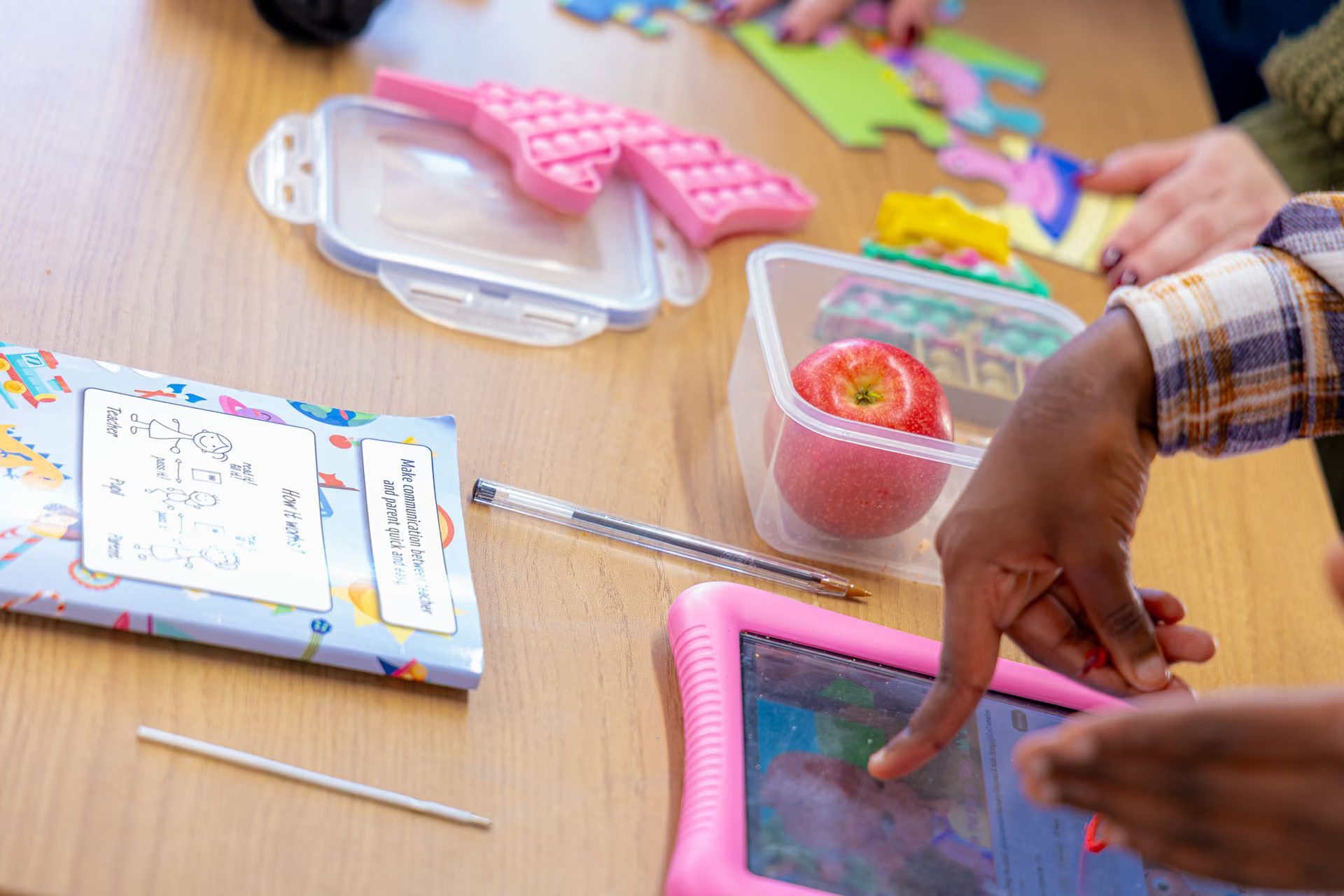
Learning at Waterside is relational and sensory. It happens through trusted relationships, environments that are designed with real thought, and day-to-day experiences that mean something to that individual learner.

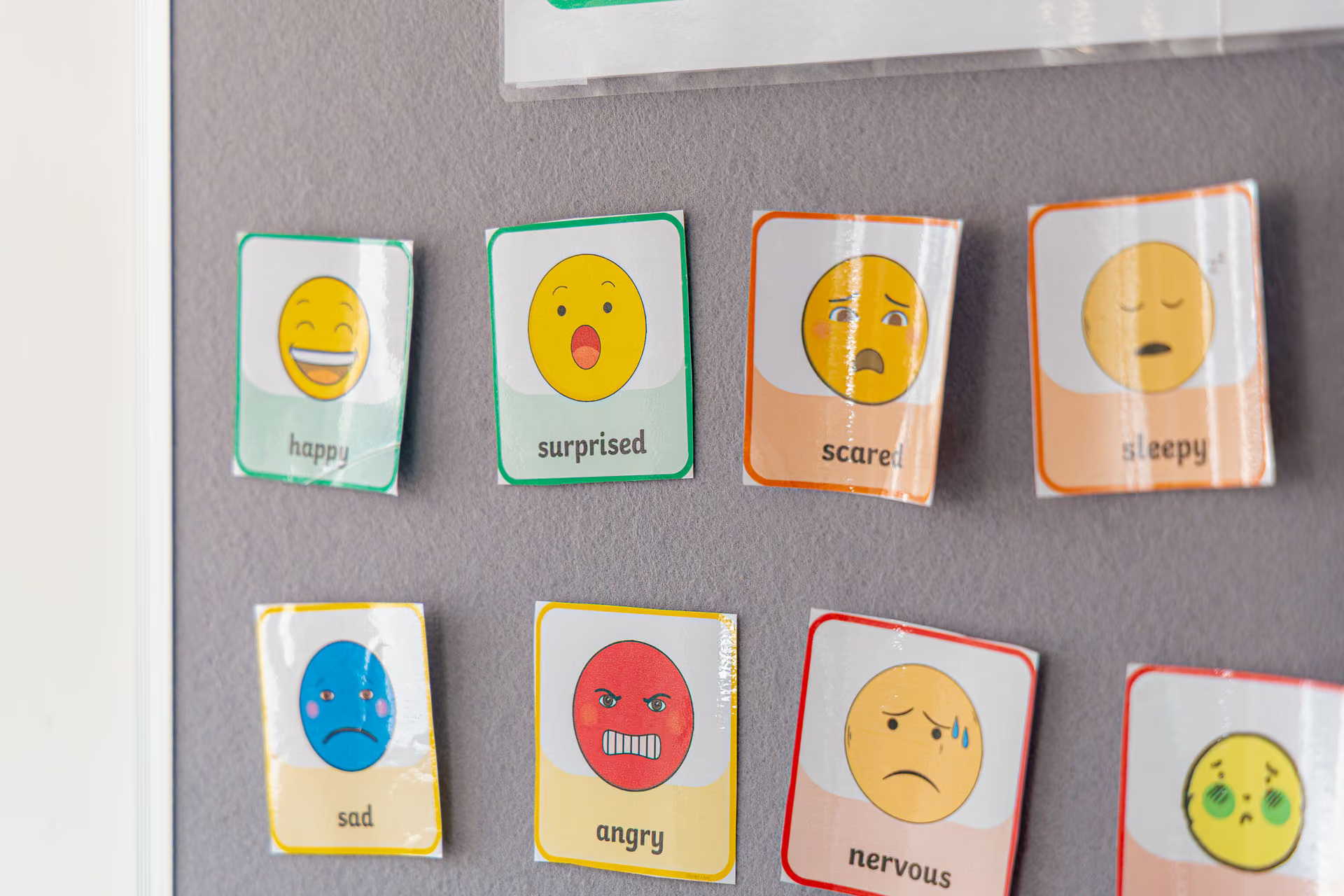
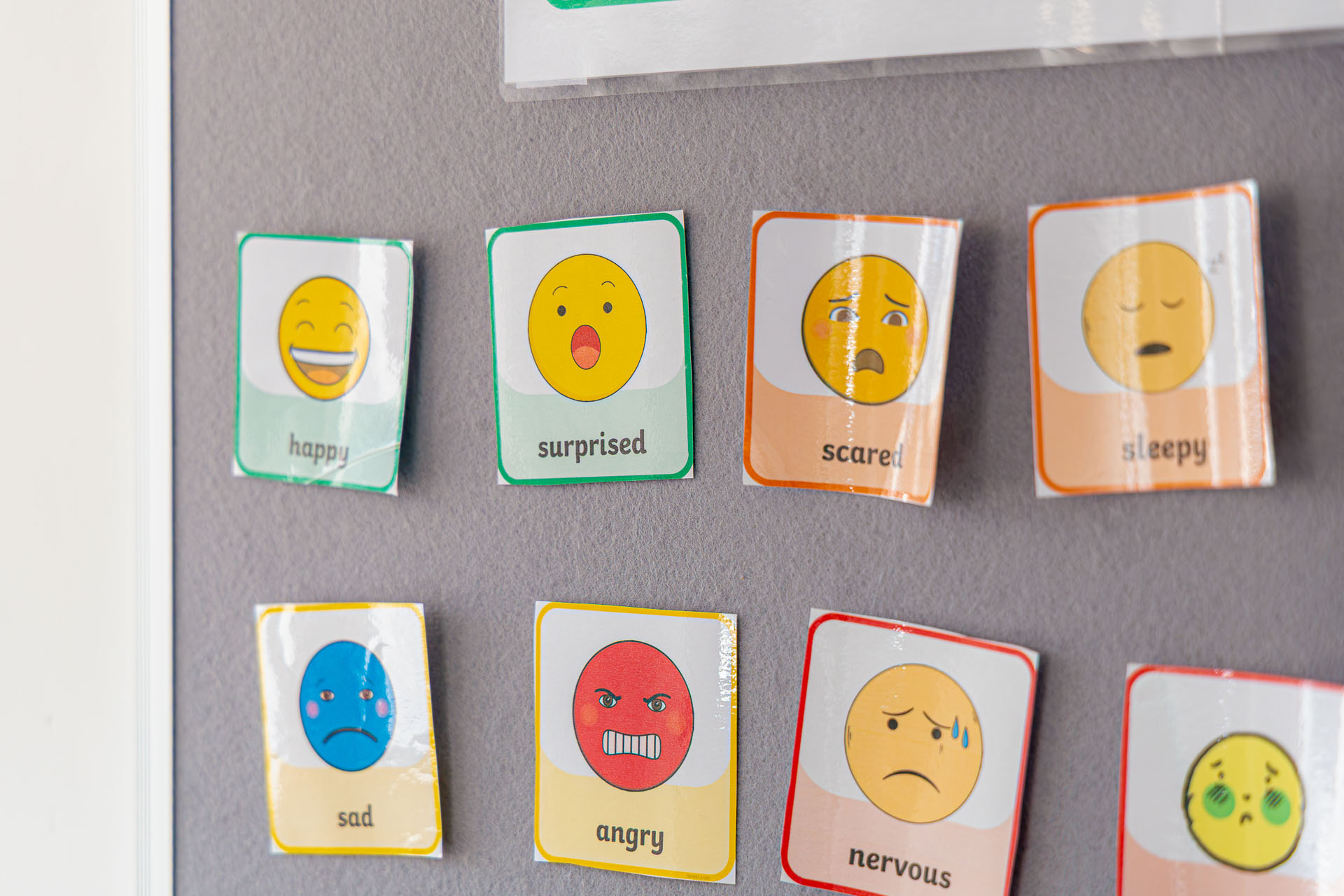
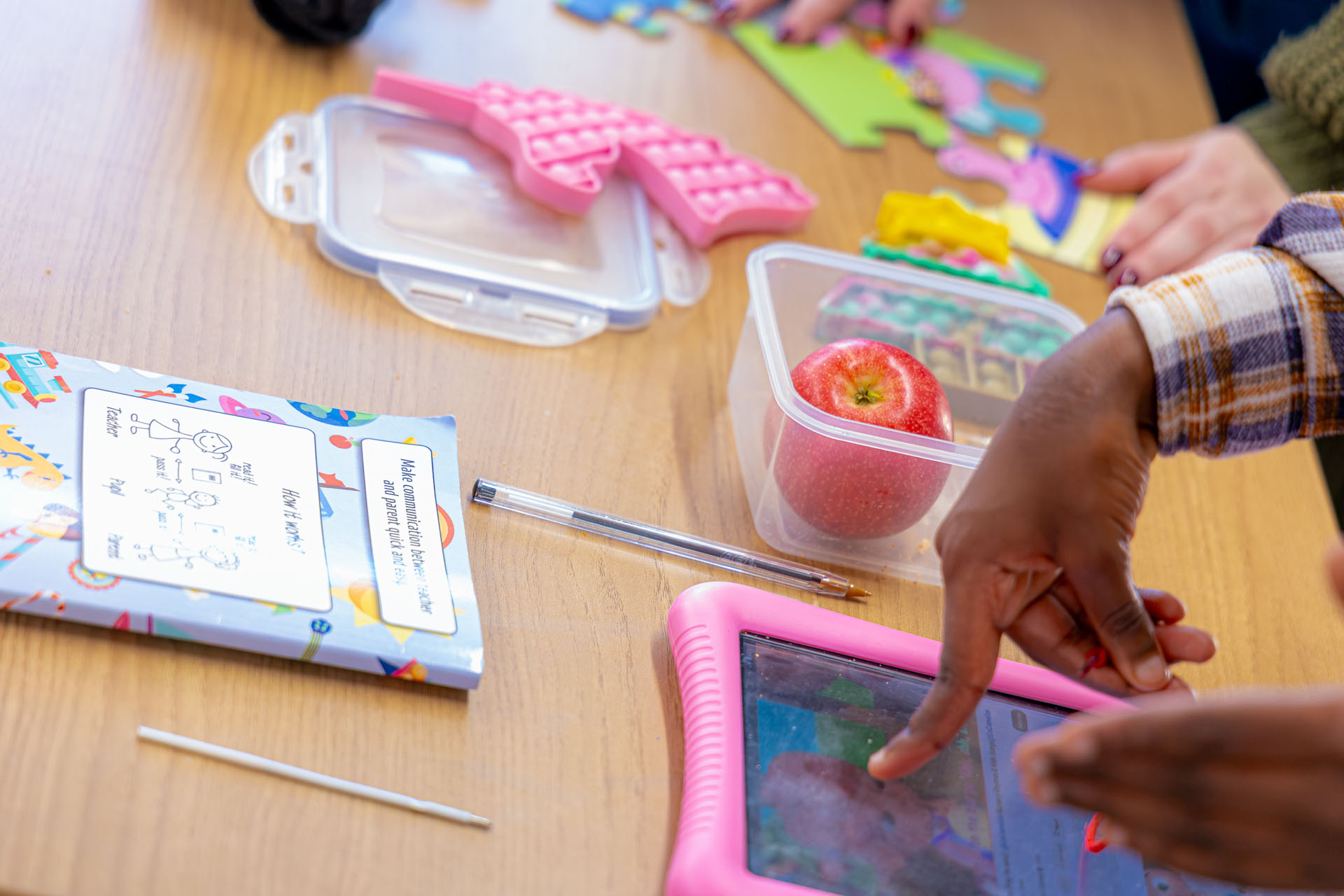
We take communication seriously in whatever form it takes. That might be speech, but it might just as easily be a gesture, a facial expression, a behaviour, a sound, an object, a symbol, or assistive technology. Whatever it is, we treat it as valid, and we make sure every learner has real opportunities to make choices and have a say in what happens around them.

No two learners at Waterside follow the same plan, because no single label or method could ever tell us who a child is. We rely on careful assessment, what families tell us, and what we observe over time to build an approach around each learner’s actual strengths and starting point, not around what a framework says they should be doing.

Contact us

Many of the learners who join us have had school experiences that didn’t work for them. Sometimes that’s because they couldn’t get their needs across. Sometimes it’s because the environment made it hard to feel calm or safe. Whatever the reason, our job is to build something different. 

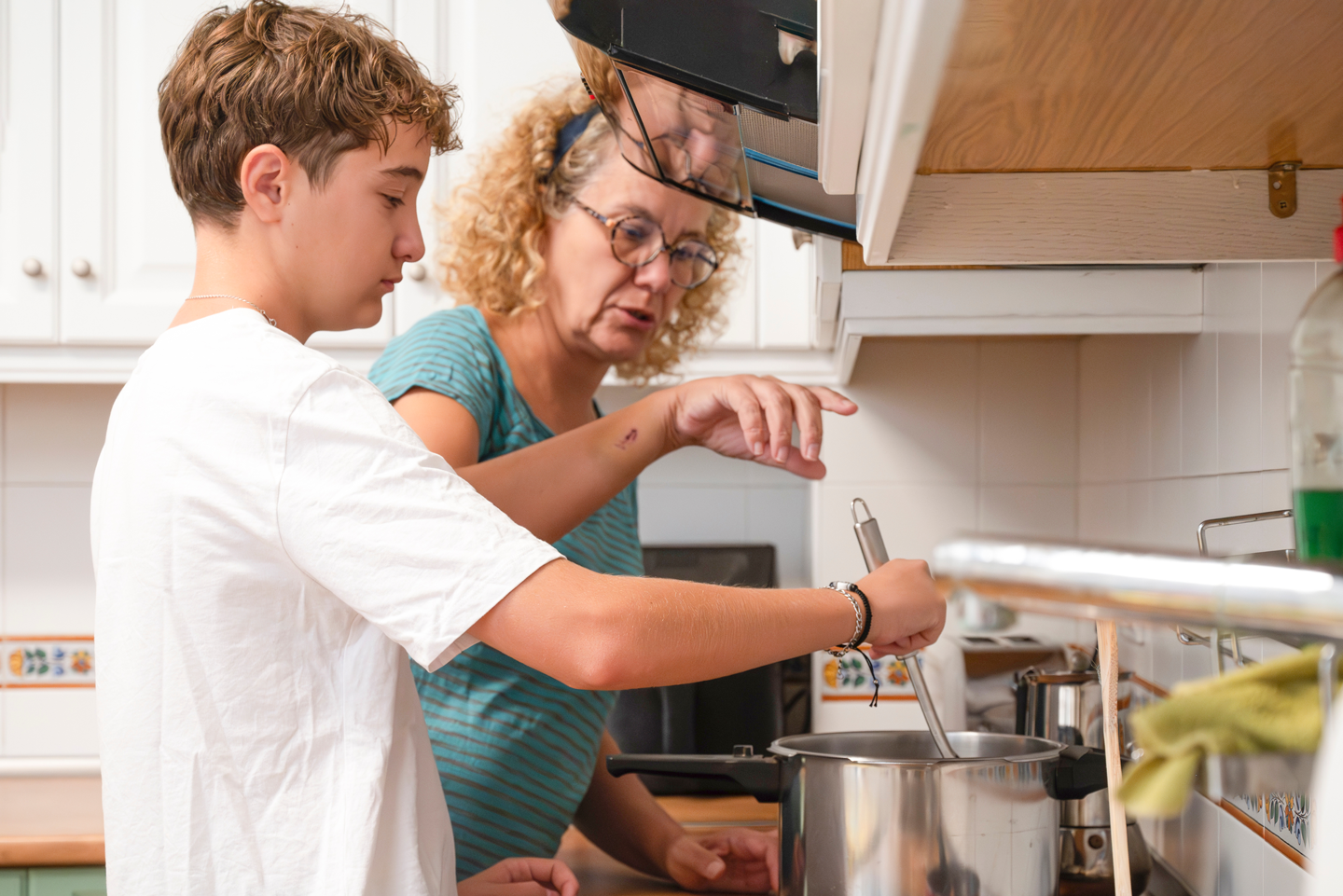
In practice, that means building relationships learners can trust, keeping environments calm and predictable so they can regulate, and paying attention to every form of communication rather than just the ones that are easiest to hear. It also means teaching life skills like communication and independent living alongside academic subjects, so learners leave us ready for more than just an exam. 

We don’t only measure progress in grades. Learning to anticipate what happens next, communicate a need more clearly, manage a difficult moment, or simply engage with someone else is progress too, and we treat it that way. 

Supporting Learners Who’ve Struggled in Mainstream School

The Frameworks Behind Our SEND Teaching Approach

We don’t follow one fixed model. Instead, we draw on a handful of well-established, evidence-informed approaches, using whichever ideas help us understand and support a particular learner.

The Thrive Approach

Thrive helps us make sense of behaviour through emotional development, attachment and regulation. It guides how we build the safe relationships and experiences a learner needs before they’re ready to learn.

Social Learning Theory

A great deal of learning happens from and with other people. We use modelling, shared attention, imitation and supported interaction to help learners pick up new skills and grow more confident around others.

Applied Behaviour Analysis (ABA)

We use ABA carefully and ethically, mainly as a way of observing behaviour, environments and patterns closely. It helps us work out what a learner might be trying to communicate and teach genuinely useful skills that build independence. What we don’t do is use it to suppress a learner's identity, stop harmless self-regulation, or override authentic communication. Everything we do stays respectful, as least restrictive as possible, and centred on the child's dignity and consent.

Cognitive Behavioural Theory (CBT)

CBT helps us think through how experience, emotion and behaviour connect. Since many of our learners don’t rely on speech or abstract language, we adapt these ideas through co-regulation, sensory support, visual structure and repetition, rather than the kind of talking therapy CBT is usually associated with.

Find out about our curriculum

Explore Waterside

What Progress Looks Like for SEND Learners

Progress looks different for every learner, because everyone starts somewhere different. For one child, it might be finding a new way to ask for something. For another, it might be joining in a group activity, working through a hard emotion without support, or taking a first step towards doing something independently. 

Whatever form it takes, our goal is the same: to help every learner who comes to us feel like they belong, have a genuine say in their own life, and build the communication, relationships and skills they need to live it as fully as possible.

Contact Our SEND School in Coventry

If you’re weighing up whether Waterside could be the right specialist SEND school for your child, we’d genuinely like to talk it through with you. 

Get in touch today, and our team will walk you through admissions, referrals, and how we can support your child’s learning, communication and wellbeing.

Contact us

Get in touch

Arrange a visit

Find out about admissions