Our Approach to Learning

Our Approach to SEN Learning

We are truly proud of the way we support our learners.

Our learning approach is built on a simple but deeply held belief: that every learner can communicate, participate, and make meaningful progress, regardless of their needs, their history, or how their previous experience of education has looked.

What that takes is knowing each learner well. Before we think about curriculum or targets, we think about the individual and how they communicate. What helps them feel safe and regulated. What interests and motivates them. How they experience the world around them. That understanding is the foundation everything else is built on.

Learning with us is relational, sensory and responsive.

It happens through trusted relationships, carefully designed environments, consistent routines, and experiences that are meaningful to each learner.

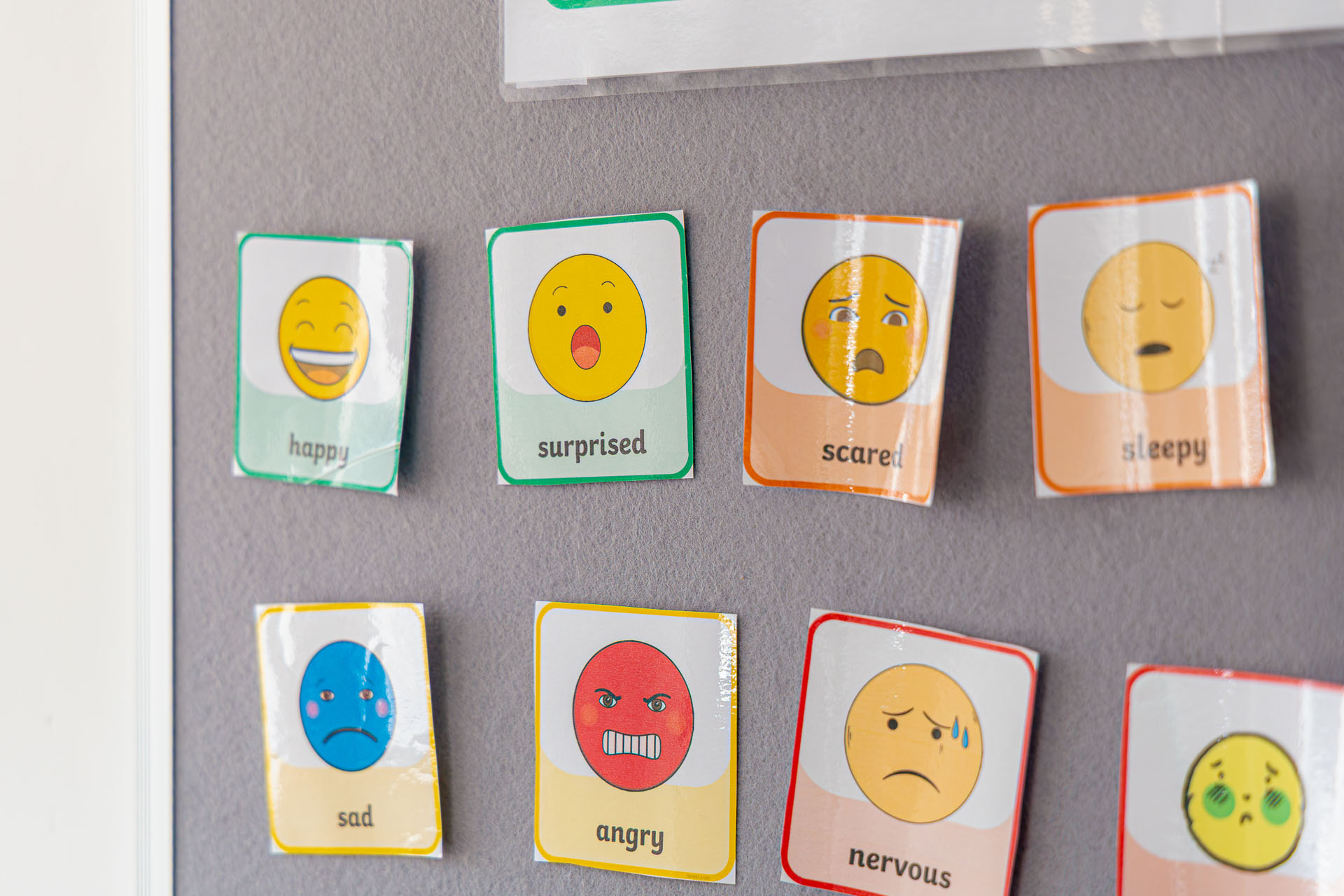
We recognise all forms of communication, not just spoken language. At Waterside School, communication includes movement, gesture, facial expression, behaviour, vocalisation, objects, symbols, and assistive technology. Every learner has genuine opportunities to express preferences, make choices, and influence what happens around them. That sense of agency matters enormously, particularly for learners who have previously felt unheard or misunderstood in educational settings.

No single approach defines how we work with a learner. Instead, we draw on professional knowledge, careful assessment, family insight, and ongoing observation to create an approach that is genuinely individual.

Progress looks different for every learner

Progress at Waterside School looks different for every learner, and we measure it accordingly. For some learners, progress means growing in knowledge and practical skills. For others, it might be seen in engagement, anticipation, emotional regulation, independence, connection, or participation. All of it counts, and all of it is valued.

Supporting Your Child's EHCP Outcomes

Our teaching draws flexibly from four evidence-informed frameworks, each of which informs how we understand and respond to our learners. We never apply these frameworks rigidly or use them to define a learner. They are tools that support thoughtful, individualised development.

The Thrive Approach

Thrive helps us understand behaviour through the lens of emotional development, attachment and regulation. It supports the creation of safe relationships and experiences through which learners can build security, connection and readiness to learn. For learners who have experienced trauma or disrupted attachment, this framework is particularly valuable in helping us understand what a learner needs before learning can take place.

Social Learning Theory

Social Learning Theory recognises that learning happens with and through other people. Our school uses modelling, shared attention, imitation, supported interaction and positive relationships to help our students develop new skills and participate with others.

Applied Behaviour Analysis (ABA)

Applied Behaviour Analysis informs our careful observation of behaviour, environments and patterns of reinforcement. We use these principles positively to understand what a learner may be communicating, to teach meaningful skills, and to increase independence. We never use ABA to suppress identity, harmless self-regulation or authentic communication.

Cognitive Behavioural Theory (CBT)

Cognitive Behavioural Theory helps us consider the connections between experience, emotion and behaviour. We recognise that many of our learners may not communicate through speech or abstract language, so we adapt these principles through co-regulation, sensory support, visual structure, repetition and concrete experiences, rather than relying on conventional talking therapies. The result is an approach that is genuinely accessible to every student, whatever their communication style or level of need.

Find Out More About Life at Waterside School

If you would like to find out more about our approach to learning or how we would support your child specifically, we would be very happy to talk it through with you.

Contact us